
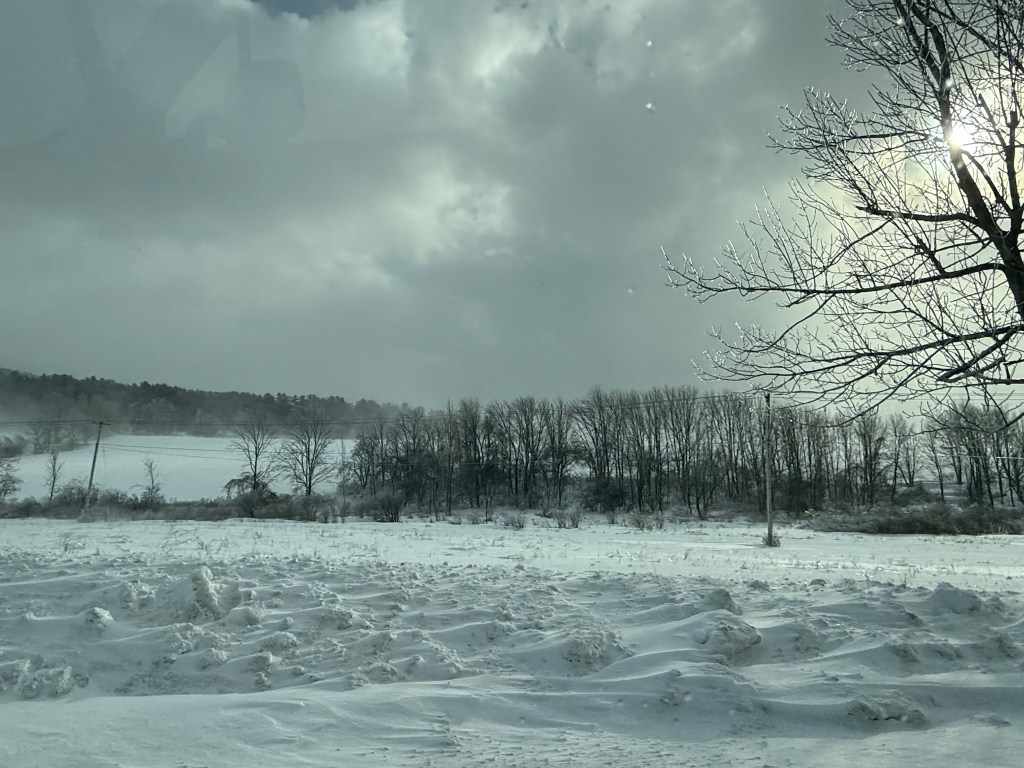
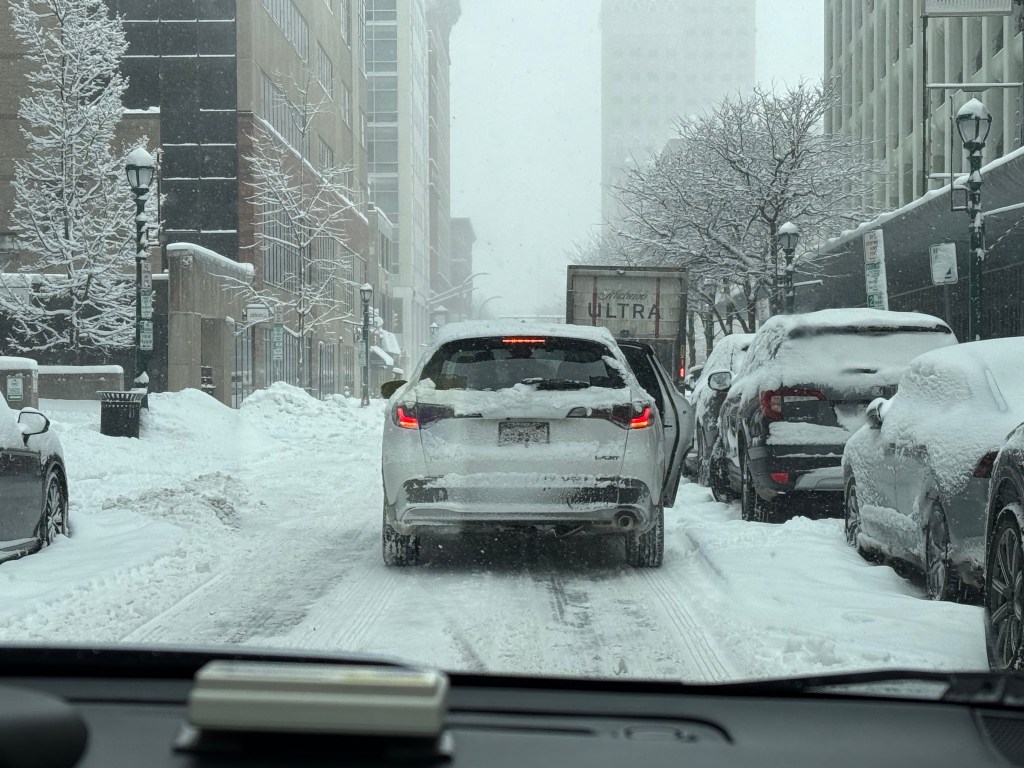
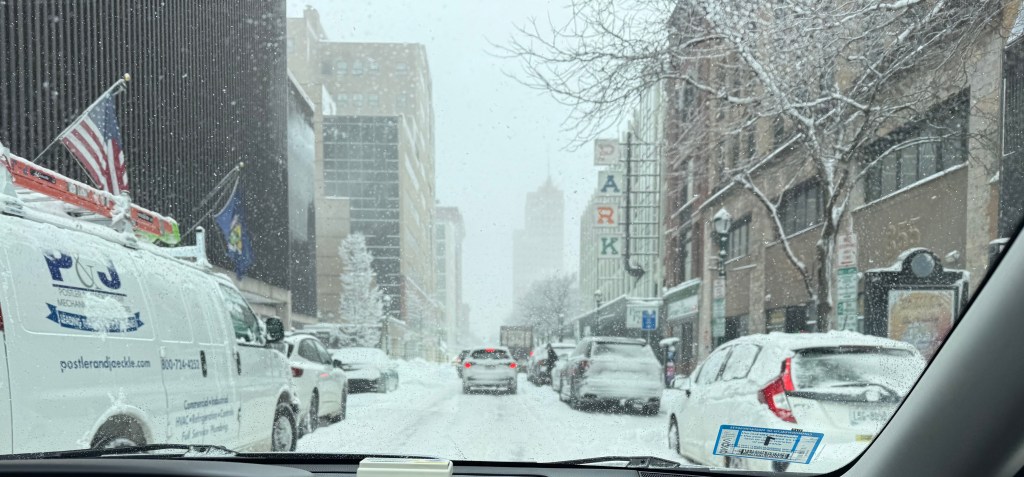
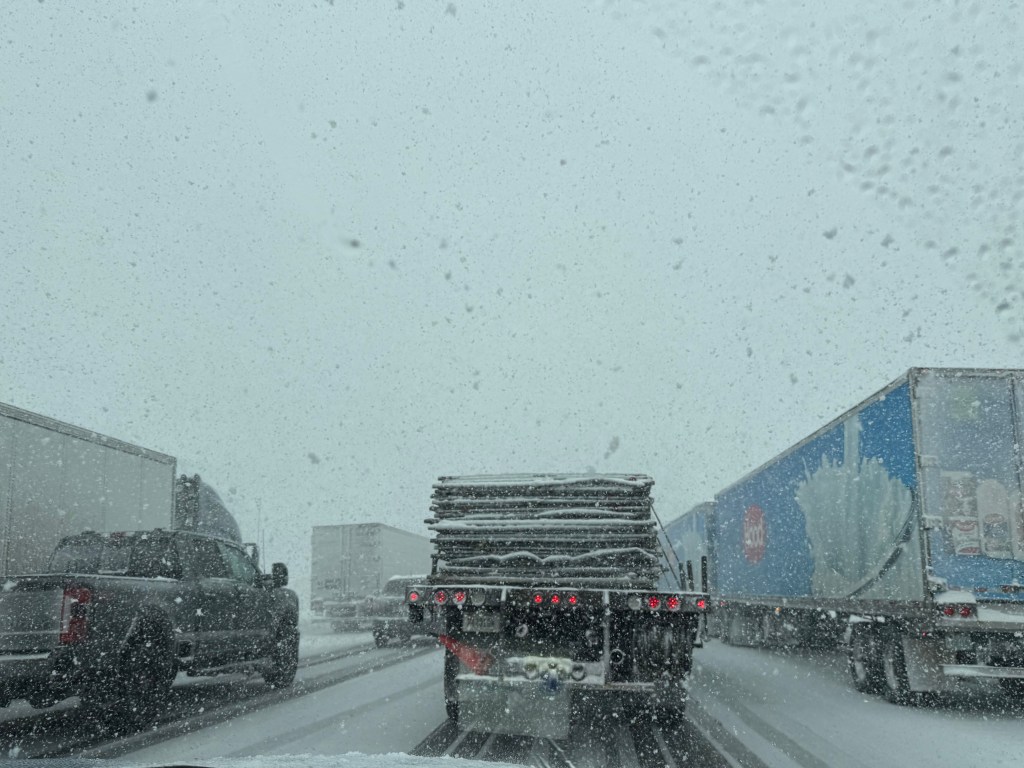
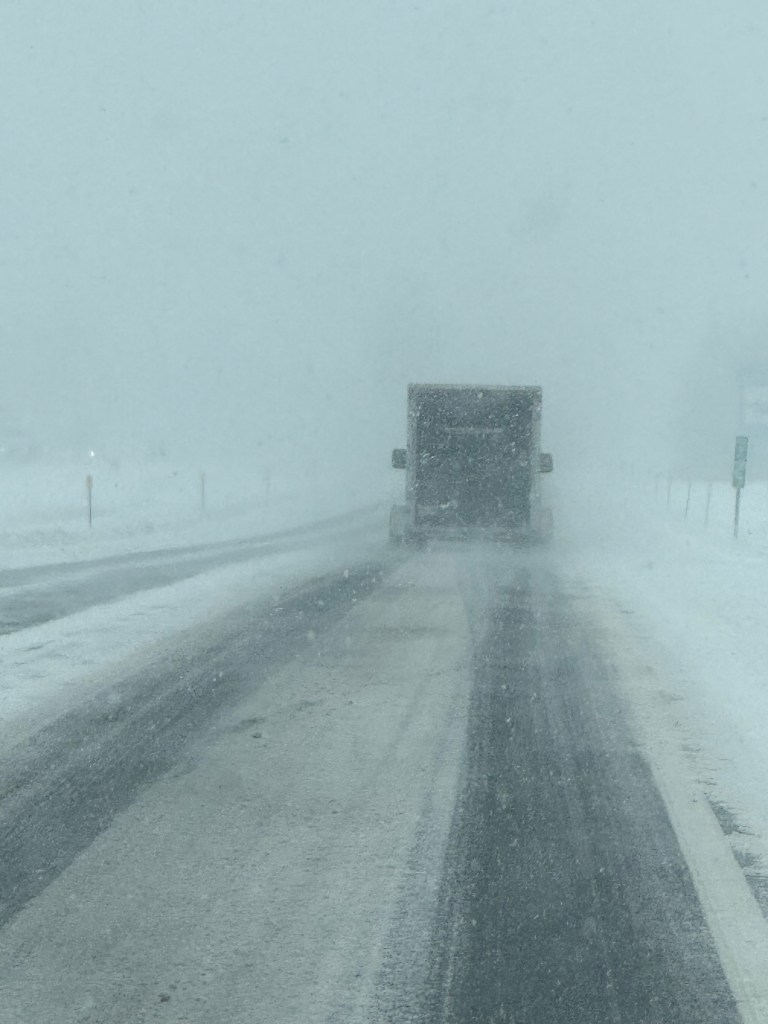
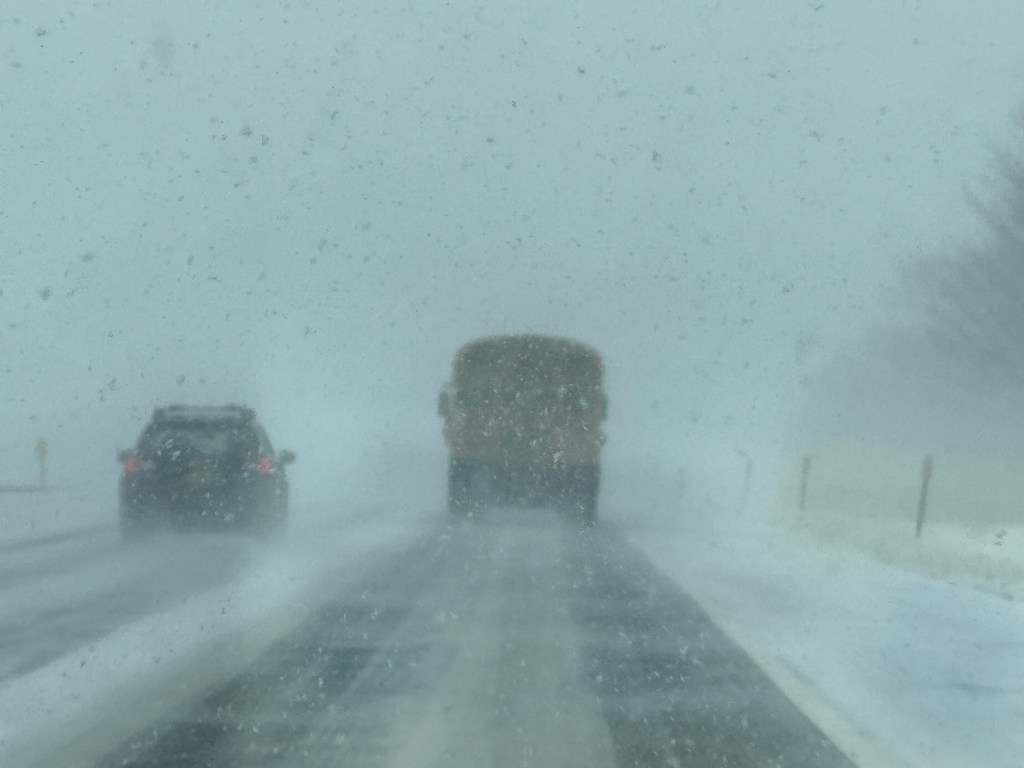
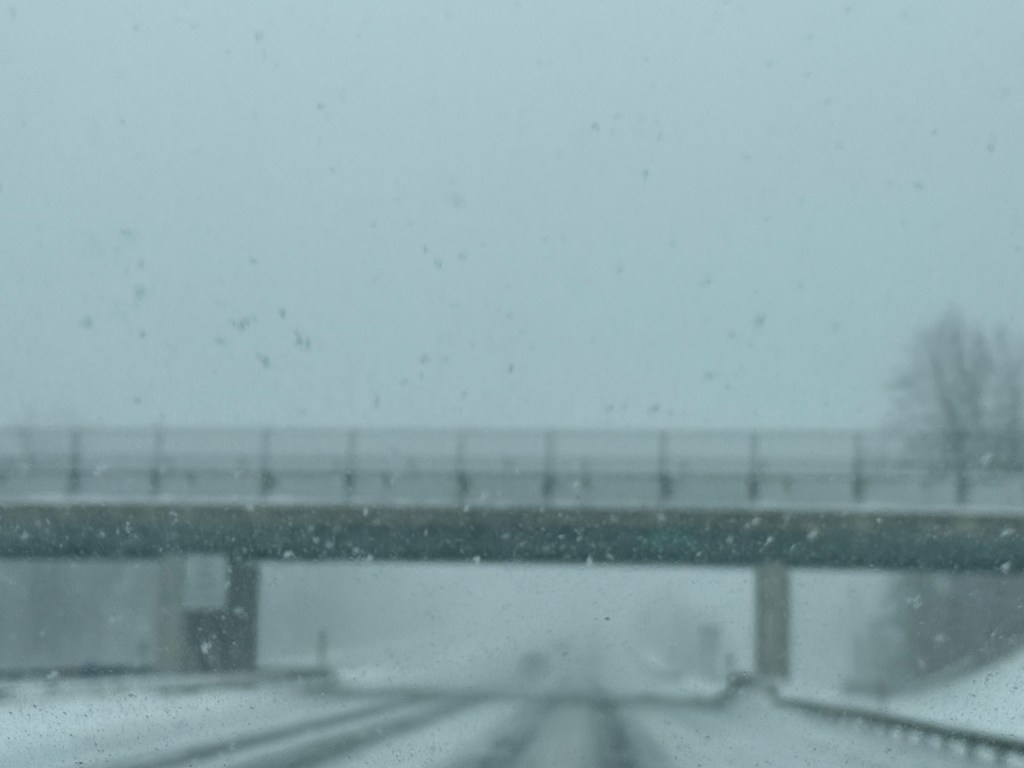
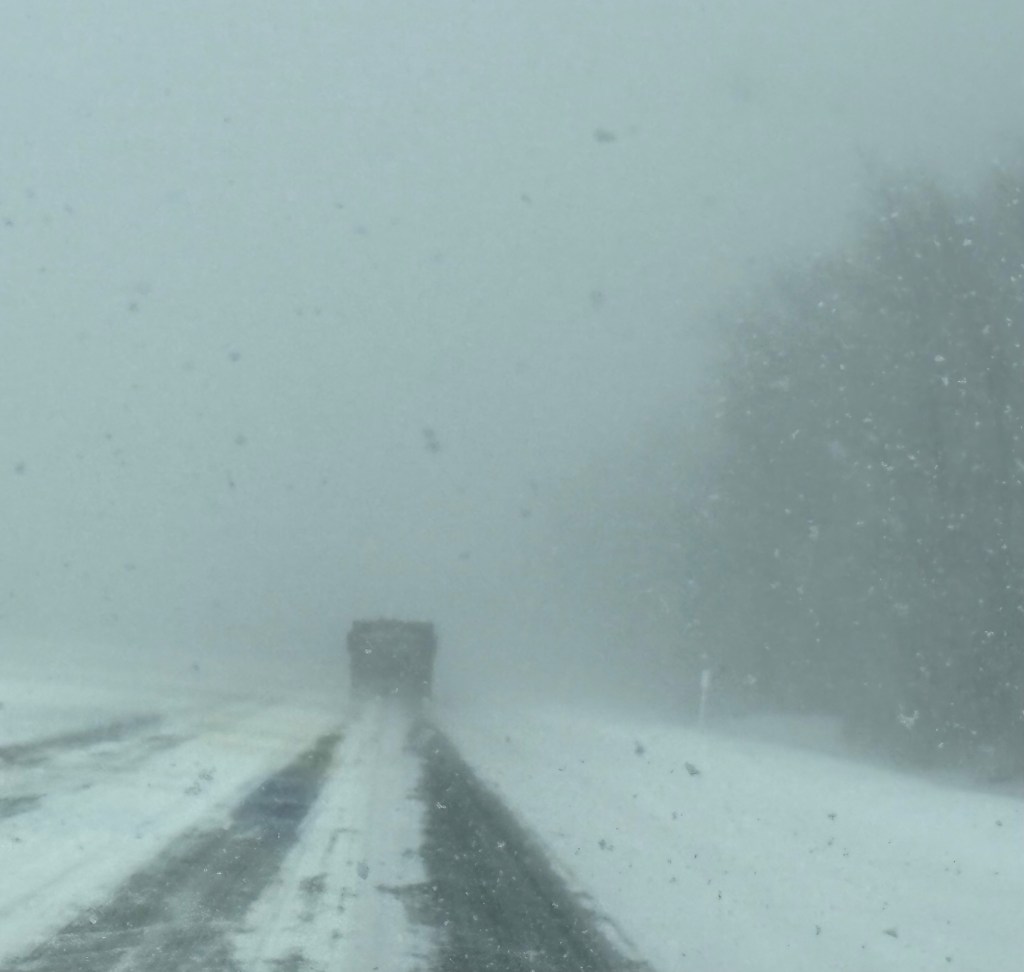
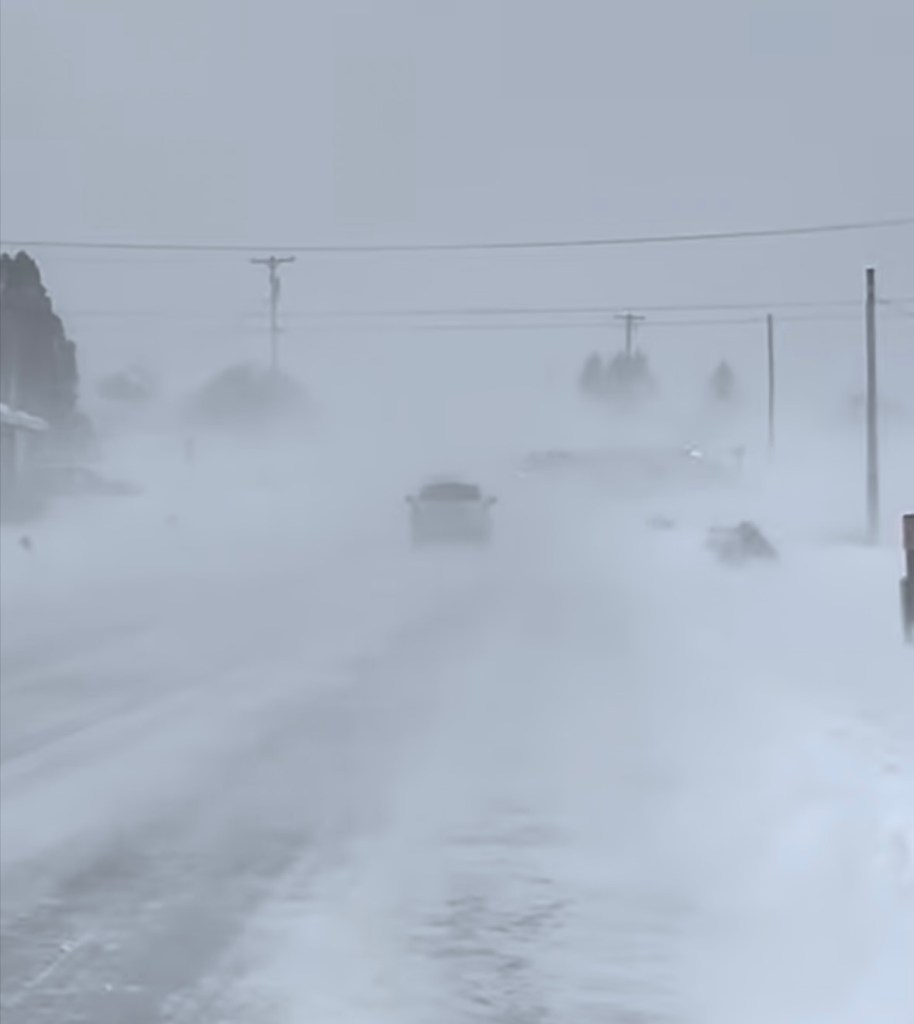
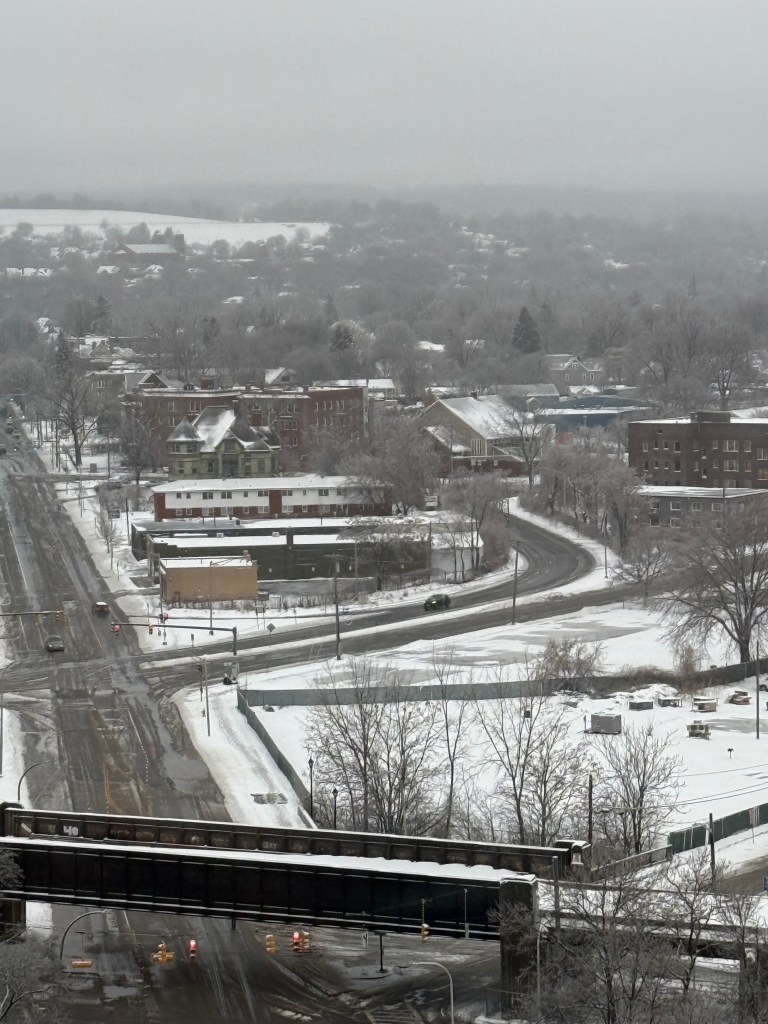
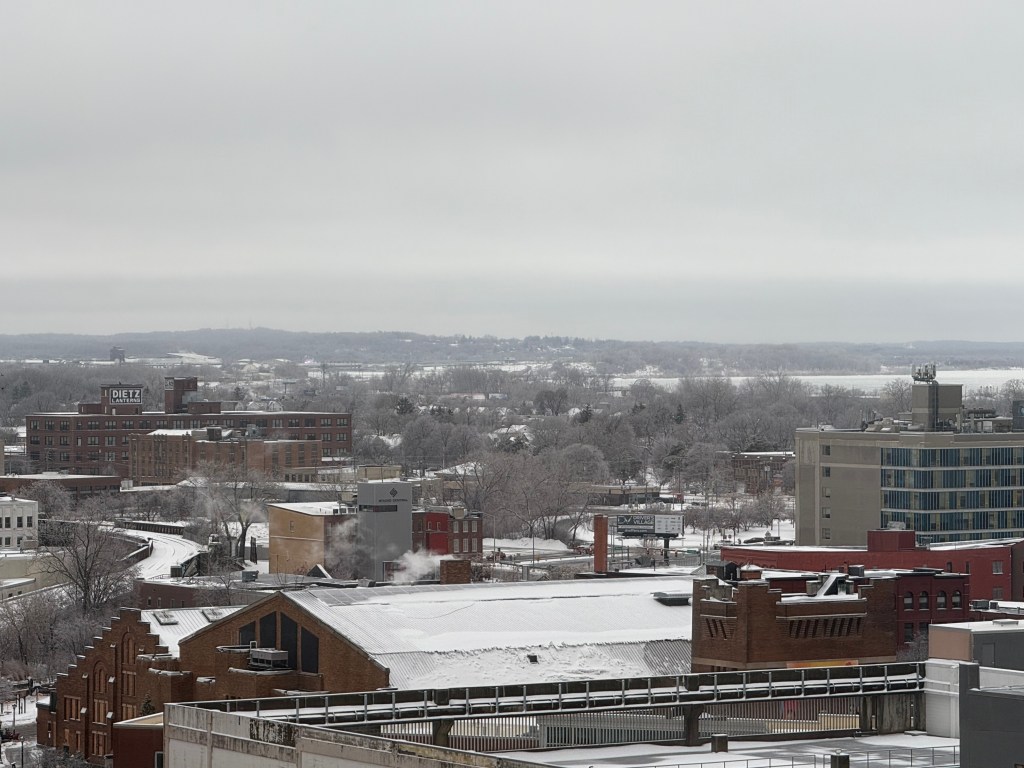
I have never experienced a winter quite like this. In the heart of the lake-effect snowstorm, central New York became a frozen, snow-covered world where the storm’s intensity left me awestruck and humbled by nature’s fury. The landscape was transformed by the fierce snowstorm, with thick snow covering the ground and creating massive snowdrifts. Blowing snow and intense winds led to whiteout conditions, where visibility was almost nonexistent. Everything was blanketed in white, from snow-covered trees to distant, barely visible buildings. The sky above was overcast, and the entire terrain stretched into an endless, opaque white expanse, a monochrome world. The harsh wind intensified the storm’s effect, whipping snow around and adding to the cold, biting atmosphere.
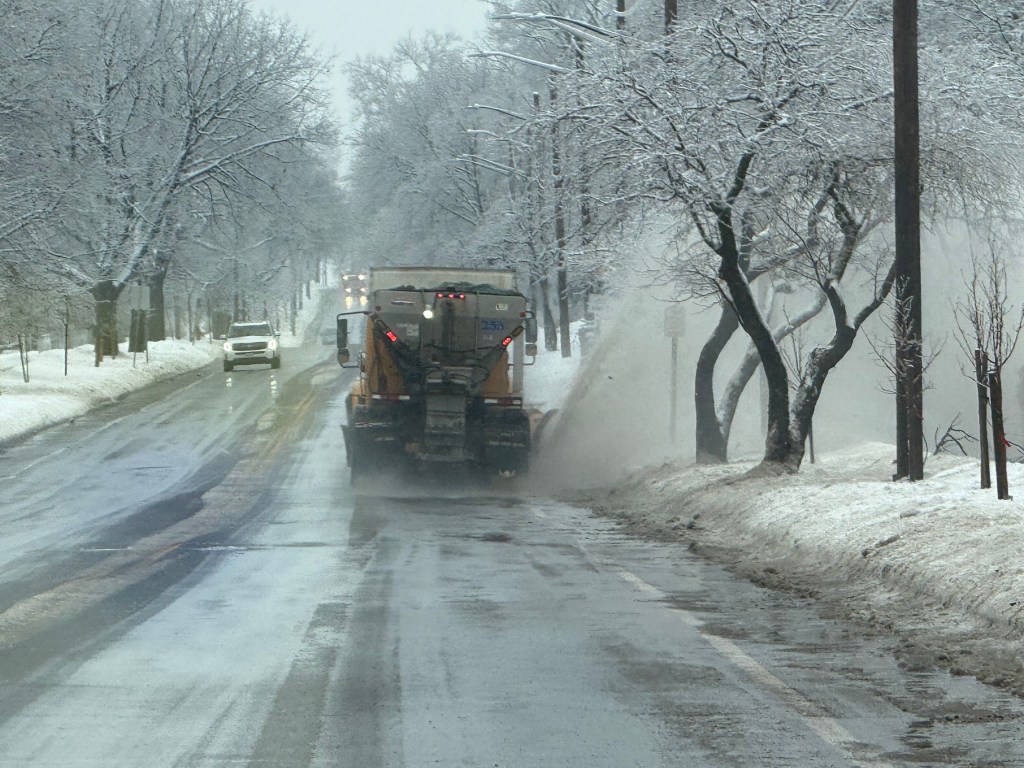
I sat inside the car, surrounded by the vast, unrecognizable white expanse, feeling small in the face of nature’s raw power. It was stunning, in a way—a brutal, beautiful reminder of winter’s strength. I prayed that we reached home safely…..
The Monochrome World
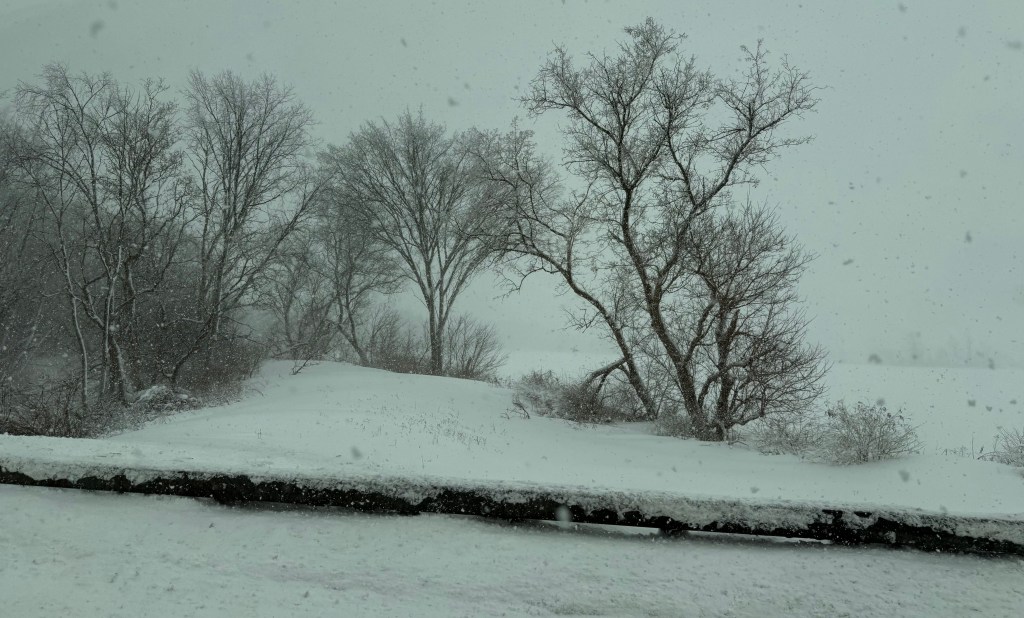
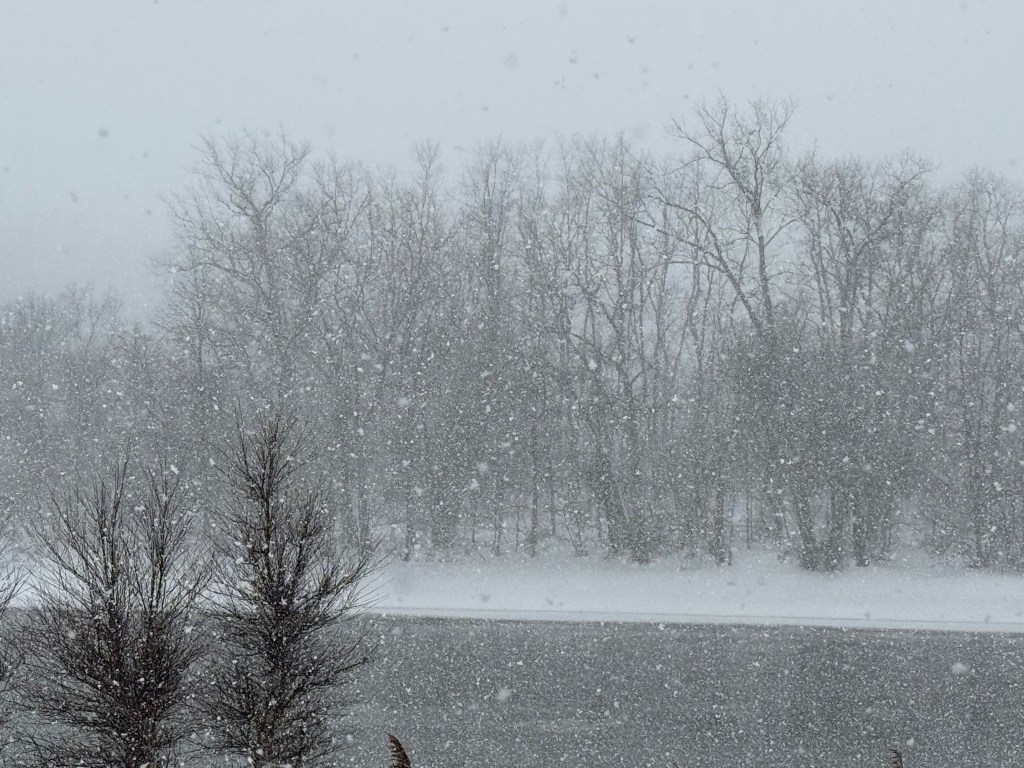
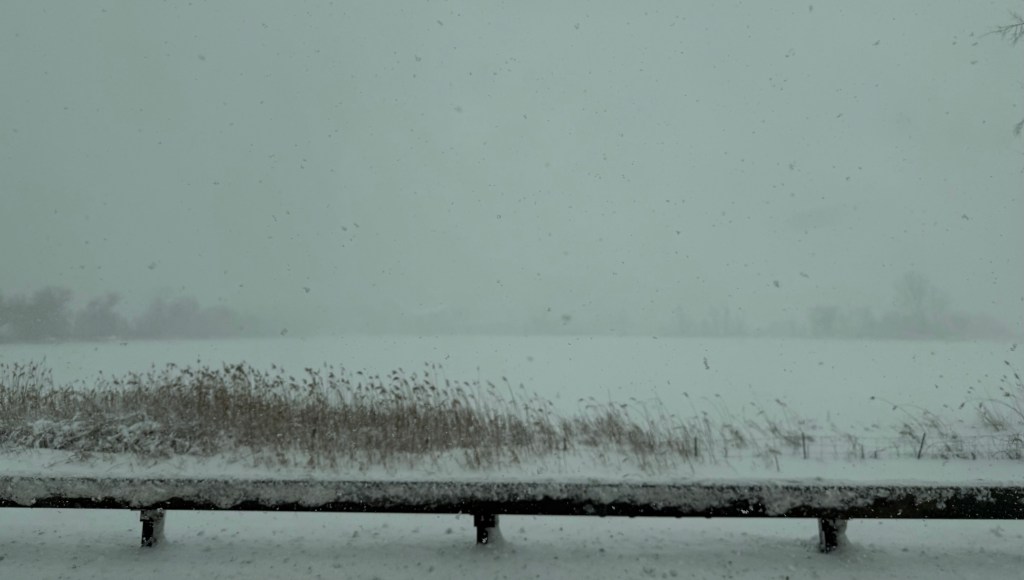

The Visibility and Whiteout Conditions
The Calm After The Storm


PS:Lake effect snow is common across the Great Lakes region during the late fall and winter. Lake Effect snow occurs when cold air, often originating from Canada, moves across the open waters of the Great Lakes. As the cold air passes over the unfrozen and relatively warm waters of the Great Lakes, warmth and moisture are transferred into the lowest portion of the atmosphere. The air rises, clouds form and grow into narrow band that produces 2 to 3 inches of snow per hour or more.
Wind direction is a key component in determining which areas will receive lake effect snow. Heavy snow may be falling in one location, while the sun may be shining just a mile or two away in either direction. The physical geography of the land and water is also important. National Weather Service meteorologists consider these factors as well as others when forecasting lake effect snow (https://www.weather.gov/safety/winter-lake-effect-snow).
 RidewithTia